
Global location data
delivered via Snowflake
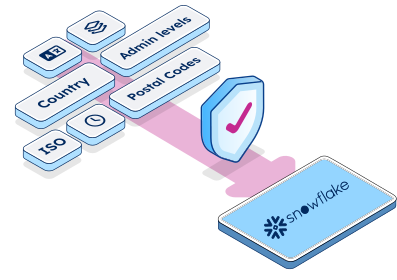
Embed standardized location data in Snowflake to serve as the backbone for BI models, MDM, and location-based decision logic.







Native Snowflake access
Query authoritative location data directly inside your Snowflake environment.

Reduced data engineering
Eliminate manual ingestion pipelines, and file handling, with automatic updates to ensure data recency.

Aligned with your existing architecture
Keep location data within your Snowflake environment ensuring consistent data governance across your operations.
IMPLEMENTATION GUIDE
Host global location data within Snowflake
An expert will guide you through your Snowflake implementation process. Our step-by-step Snowflake deployment guide makes it simple for your team to integrate GeoPostcodes’ data within your environment.
Why choose GeoPostcodes

Global coverage
Complete coverage across 247 countries, including hard-to-source geographies like China, Japan, Brazil, and Russia.

Highest quality
Built on extensive, authoritative sourcing with robust data engineering and quality control. Standardized and up-to-date.

Expert Consulting
With 15 years of experience, we guide your implementation and deliver data in the format that fits your system.
Trusted by industry leaders
Join more than 100 enterprise clients who trust GeoPostcodes for their location data


Anjo Grebe
Consultant


Dr. Peter Wild
Managing Partner


Kousha Mazloumi
Director of Data Science

Kousha Mazloumi
Director of Data Science


William Chao
Product Owner of Geographic Information Services


Kate Kilby
Senior Product Manager


Dave Hamm
Project Manager


Kavian Ranjbar
Data Governance Specialist


Nick Beaugié
Senior Software Engineer
Complete your location data suite
ZIP code database
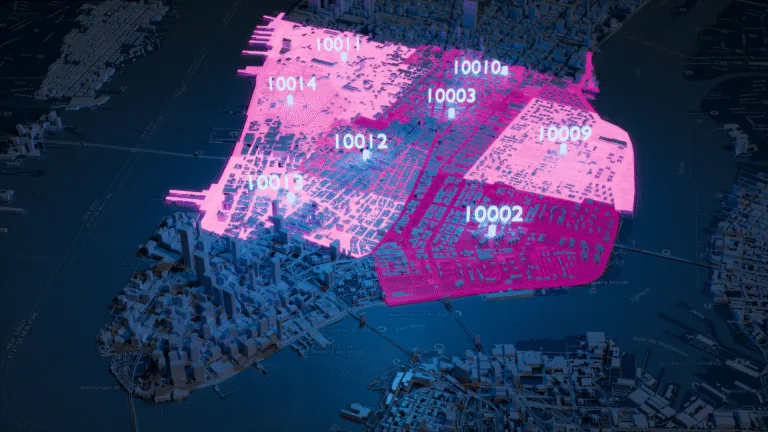
Global dataset containing all administrative divisions, cities and ZIP codes for 247 countries.
Explore the database

Address database
International street data including standardized address formats, administrative divisions, cities, and ZIP codes.
Explore the database

Population Database
Global population estimates at zip code and administrative level covering a span of 55 years: past, present, and future.
Explore the database
Frequently Asked Questions
GeoPostcodes provides its core location datasets through Snowflake, including ZIP code data, city data, administrative divisions, boundaries, and population data. These datasets follow a unified global structure across 247 countries. This means your teams can use consistent reference data for business intelligence, master data management, and reporting.
Snowflake integration reduces data engineering effort because GeoPostcodes delivers structured, ready-to-query tables directly into your environment. There is no need to source, normalize, and maintain multiple country-level datasets internally. In other words, your team avoids building and maintaining a global location database in-house.
GeoPostcodes provides always up-to-date datasets curated from authoritative sources. Updates reflect changes in postal codes, administrative divisions, and other reference data. This helps maintain reporting accuracy and operational consistency across regions.
Yes. GeoPostcodes location data in Snowflake supports reporting alignment, territory mapping, and analytics. Because the structure is standardized globally, teams can aggregate data consistently across countries and administrative levels.
Snowflake delivery allows you to manage GeoPostcodes data within your existing governance framework. Your access controls, security policies, and monitoring tools remain in place. This supports compliance requirements while keeping reference data centralized.
Yes. GeoPostcodes covers 247 countries, including hard-to-source geographies such as China, Japan, Brazil, and Russia. The unified structure supports multinational operations that require consistent reference data across regions.
Yes. GeoPostcodes provides enterprise-level expert consulting to guide implementation and ensure the dataset fits your architecture. This support helps teams integrate global location data efficiently within Snowflake.