
Introduction — The Cost of Bad Address Data
Incorrect address data creates measurable financial waste for global organizations, while it is often still considered a minor technical detail. The statistics paint a clear picture: Gartner reports that organizations lose an average of $12.9 million annually due to poor data quality, while Ayadata estimates that up to 85% of failed AI projects cite poor data quality or availability as a main problem.
94% of organizations believe their customer data contains inaccuracies, according to Experian. The proof is that ZIP codes change constantly, with 36 million addresses changing in120262alone.
These numbers show a simple truth: address data is not a back-end technical detail. It’s a direct driver of operational performance, compliance, and customer experience.
Enterprises managing global shipping networks, multi-country CRMs, or complex ERPs depend on accurate, consistent, and current postal data to keep operations running. Yet many business leaders still view address validation as a “nice-to-have”, something to add later, not a strategic priority.
This article reframes address validation as an ROI engine. It shows how organizations that deploy self-hosted reference data — rather than relying solely on APIs or open data — gain measurable improvements in speed, efficiency, compliance, cost control, and global scalability.
From Technical Accuracy to Business Impact
Most leaders agree that “accurate data is important,” but the real business value emerges when you connect accuracy to risk reduction, efficiency, and revenue protection.
Address validation determines whether logistics teams send shipments to the right locations, whether customers complete signups on digital platforms, and whether compliance teams calculate CO₂ emissions correctly.
It ensures that pricing engines and customs processes operate with consistent geographic inputs. It also keeps BI dashboards aligned with the real administrative structure of cities, regions, and ZIP codes.
This is why enterprises operating at a global scale treat address validation as part of their business infrastructure. Companies like MSC, DB Schenker, Bark, Brizo, and EcoTransIT use reliable, self-hosted postal data to support daily operations, reduce risk, protect revenue, and maintain consistent performance across systems that depend on location data.

The Global Challenge
Global teams rely on postal data that is often inconsistent, or incomplete. Here are some of the common frustrations:
Inconsistent public sources
Postal operators release updates at different times and with varying levels of detail, especially in hard-to-source geographies. In many countries, official information is limited, outdated, or not aligned with the administrative divisions. As a result, organizations struggle to maintain accurate reference data across all regions they serve.
API-only models limit scalability
API-only setups often struggle with high-volume workflows. Latency varies by region and external uptime, making real-time validation less predictable for operational checks. Cost is a separate issue. Per-call pricing becomes expensive at scale, and bulk address validation generates thousands of calls that slow down processing and increase spend. These constraints reduce performance consistency and limit how easily teams control data residency and system behavior.
Internal manual processes are not sustainable
Internal maintenance processes also break down as organizations expand to new markets. Teams collect files from dozens of sources and attempt to align different languages, character sets, conflicting hierarchies, and unclear city definitions. They need to reconcile incompatible structures, missing postal codes, or duplicated entries.
These tasks require significant effort, leading to silos, inconsistent reporting, and operational workarounds.
Small errors have large consequences
Small inconsistencies in ZIP code data can disrupt entire workflows. An incorrect ZIP code may block customs validation in countries with strict rules, like Brazil, delay international shipments at key ports, such as Shanghai, or create mismatched records in a CRM.
In BI systems, inconsistent or stale data can lead to inaccurate reporting and unreliable geographic segmentation. The result is a fragmented data landscape that slows operations, harms the customer experience, and makes global scaling harder than it needs to be.
Try Our ZIP Code Lookup Tool
Enter any ZIP code in the USA
Need International Coverage?
Get access to location data from 247 countries.
Reliable Postal Data as a Strategic Asset
Self-hosted reference data helps shift address validation from a reactive task to a proactive operational strategy.
Why Self-Hosted Data Outperforms API-Only Models
1. Predictable performance and cost
Self-hosted postal data eliminates per-call pricing and latency issues.
Teams validate large address volumes, process batch imports, and run global workloads without depending on external API response times. This model also ensures consistent performance for high-traffic platforms.
2. Full data ownership and compliance
Keeping postal data inside the organization strengthens security and supports compliance requirements.
This matters for enterprises that operate across multiple jurisdictions or manage sensitive user information. Self-hosted datasets remove dependency on third-party uptime or data residency policies.
3. System-wide consistency
A self-hosted reference dataset acts as a single source of truth.
CRMs, ERPs, and other analytics tools use the same standardized structure for ZIP codes, cities, administrative divisions, and coordinates. This alignment prevents mismatches in hierarchies, duplicate records, and reporting inconsistencies.
4. Enterprise-ready scalability
Self-hosted data supports bulk processing and cross-system validation at scale.
Teams integrate postal data directly into routing engines, compliance workflows, BI models, and customer-facing applications without increasing technical overhead.
5. Flexible customization
Self-hosted data gives teams full control over how addresses are matched, validated, and displayed. Companies can adapt their field structures, preferred city names, language variants, administrative levels, and validation rules to align with their internal workflows. This flexibility creates a smoother address autocomplete experience and enables consistent behavior across all markets.
How GeoPostcodes supports this model
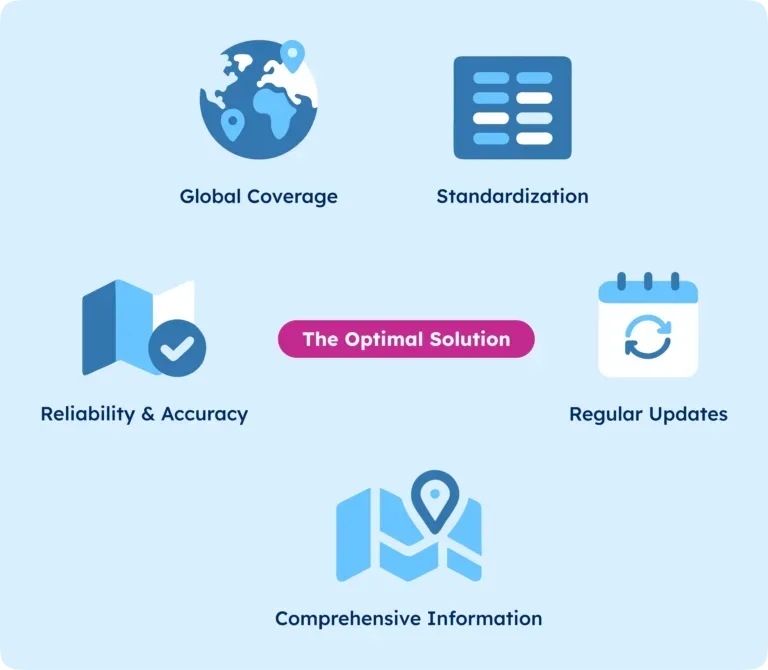
GeoPostcodes provides a single, standardized postal dataset built from more than 1,500 authoritative sources that reflect the world’s changing geography. The database covers 247 countries, 9.3 million postal codes, 4 million cities and towns, 9.9 million coordinates, and 299 languages.
Each dataset is curated, frequently updated, and standardized in one consistent structure to align systems across regions.
Enterprises use this data as a reliable foundation for address validation, customs workflows, CO₂ calculation, market analysis, reporting, and other location-dependent processes. With self-hosted delivery, teams keep complete ownership of the data, maintain consistent performance at a predictable cost, and reduce the operational overhead of managing location information in-house.
For global businesses, this creates a reliable foundation for every workflow that depends on accurate location data.
Real-World Impact
Global enterprises use reliable, self-hosted postal data to reduce risk, remove manual work, and support mission-critical operations. The cases below show how GeoPostcodes’ standardized reference data creates measurable value across logistics, marketplaces, sustainability workflows, and market analysis.
MSC: Preventing shipping disruptions and saving €500K per year
MSC activates more than 3,000 global locations per year. Before using GeoPostcodes’ reference data, the team validated locations manually across multiple websites. This process often led to outdated shipping locations, system blockages, and customs issues in strict markets such as Brazil.
After deploying a self-hosted postal dataset:
- MSC saved €500,000 annually
- The operations team recovered 900+ hours by eliminating repetitive processing
- Improved customs compliance in strict markets like Brazil
- Customs validations stopped triggering system blockages in high-volume hubs
- Reduced risk of multi-million-euro penalties for incorrect manifests
Accurate postal data enabled MSC to maintain service quality, reduce risk, and support its global shipping network without unnecessary overhead.

Bark: Increasing revenue through a smoother signup process
Bark connects consumers to local service providers. Outdated postcode data caused failed signups and lost transactions. Relying on Google Maps API alone became cost-prohibitive across all markets.
After deploying high-quality, self-hosted postal data from GeoPostcodes:
- Signups improved significantly, leading to revenue growth
- Duplicate and mismatched records dropped
- Customers reached the correct service providers with fewer errors
By reducing friction at the point of entry, Bark protected revenue and improved conversion across high-volume markets.

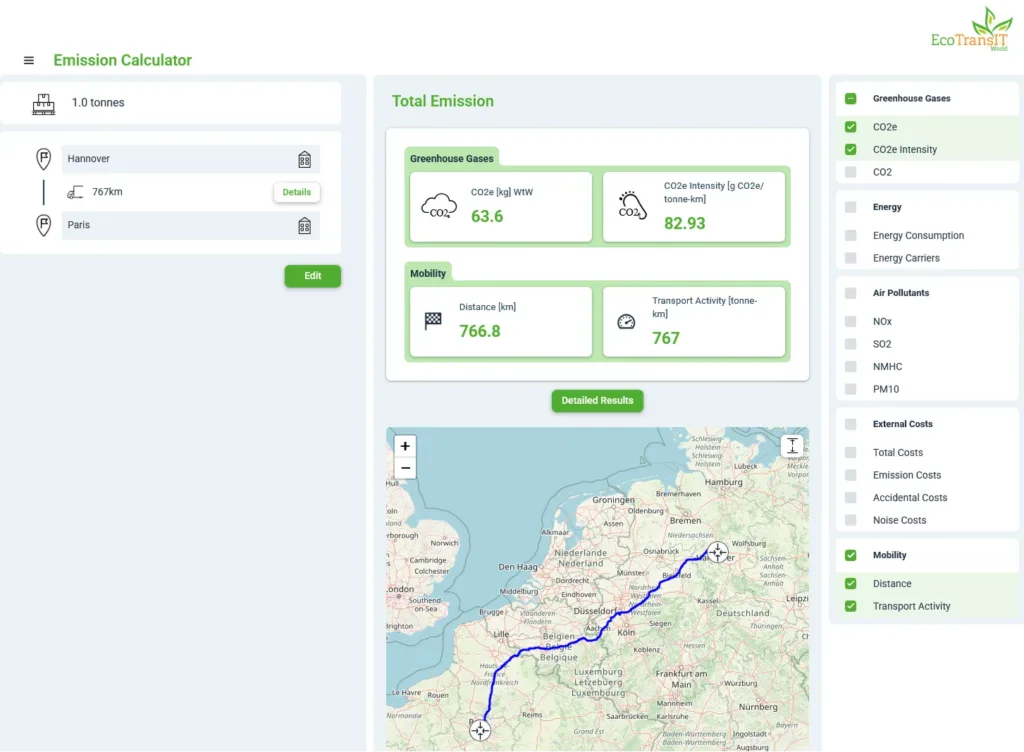
EcoTransIT — Accurate CO₂ and distance calculations for global transport
EcoTransIT calculates emissions for 4.2 million freight transports per year. Missing or inaccurate location data previously reduced calculation accuracy and led to frequent user complaints about unavailable ZIP codes.
With access to 9.2 million ZIP codes and precise coordinates:
- Routing accuracy increased
- CO₂ and distance calculations aligned with global standards
- Users stopped encountering missing locations
Accurate address data directly supports regulatory compliance and sustainability reporting.
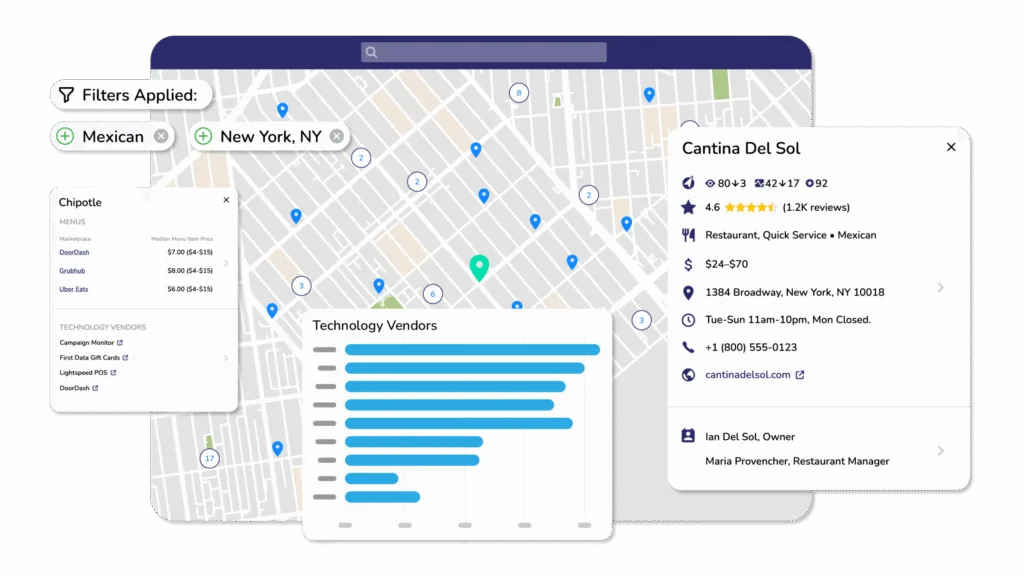
Brizo: More reliable insights for global market analysis
Brizo analyzes restaurant industry trends for market intelligence providers. Their internal postal-to-city mapping produced inconsistent segments, especially in smaller geographies.
After standardizing city definitions and aligning postal data with population insights:
- Market analysis time decreased by 25%
- Reporting achieved greater consistency
- Establishment-to-population ratios became more accurate across regions
Reliable postal data strengthened Brizo’s ability to identify underserved markets and support customers with more precise insights.
DB Schenker: 300× faster postal data validation
Before using authoritative postal data, DB Schenker validated ZIP codes manually. This process slowed down global operations and created delays when building visualizations and regional analyses.
After implementing self-hosted reference data:
- Postal data validation became 300× faster
- Map visualization improved through accurate postal boundaries
- Wrong-place delivery risks decreased
- Teams refreshed global datasets with confidence
Reliable postal data enabled DB Schenker to operate more efficiently across its global logistics network.
Conclusion — Make Reliable Data Your Competitive Edge
Accurate postal data is not a back-end technical detail. It is a critical part of operational performance across logistics, compliance, customer onboarding, analytics, and global expansion. When enterprises use self-hosted, always up-to-date reference data, they remove friction from daily workflows and align every system that relies on ZIP codes, cities, and administrative divisions.
Reliable postal data reduces manual work, prevents costly errors, and supports consistent results across CRMs, ERPs, TMS platforms, and BI tools. It strengthens compliance in strict markets, improves customer experience, and protects revenue. The results from MSC, Bark, EcoTransIT, Brizo, and DB Schenker show how standardized reference data creates measurable ROI for global teams.
Self-hosted datasets give organizations predictable performance, full data ownership, and a unified structure they can trust. They provide a scalable foundation for address validation and every workflow connected to location data.
Discover how high-quality, self-hosted postal data can improve efficiency and compliance across your operations. Browse our databases for free or request a quote here.